10-Minute Onboarding: The ChatBook Revolution vs. Traditional Chatbots

Gustavo marval
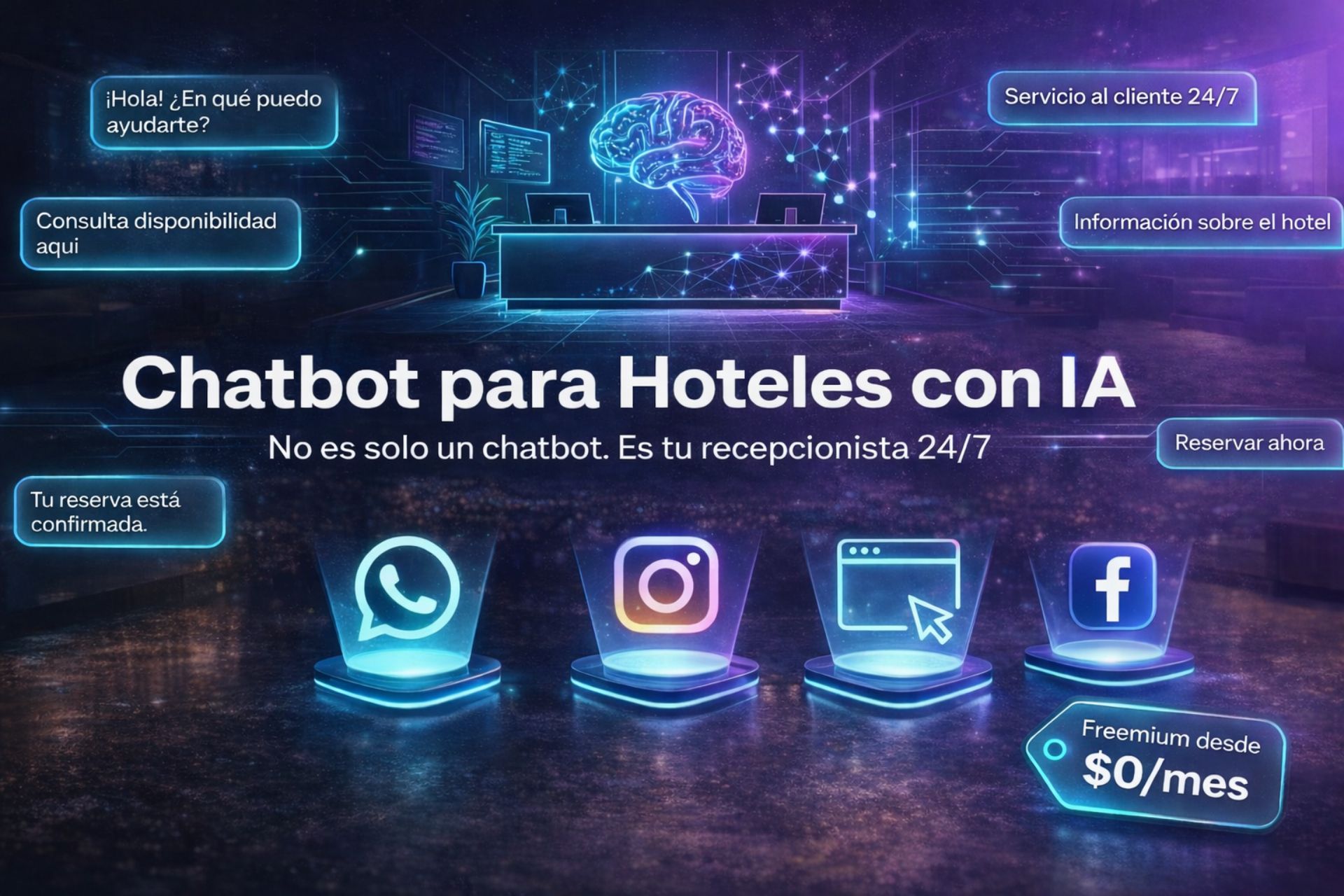
In the fast-paced world of hospitality, time is of the essence. Implementing new technologies often comes with a complex and lengthy onboarding process that can deter even the most enthusiastic hoteliers. However, what if you could integrate a conversational artificial intelligence tool into your hotel in just 10 minutes? With ChatBook, this promise becomes a reality.
Goodbye Complexity: Express Onboarding with ChatBook
One of the biggest hurdles to technology adoption is the learning curve. Traditional chatbots, though promising, often require intensive initial setup, programming complex conversation flows, and manual integration with multiple systems. This can take days, even weeks, of work from staff or external consultants, translating into a significant investment of time and resources before seeing any return.
ChatBook breaks this paradigm. Designed specifically for the hospitality industry, its onboarding process has been optimized for maximum efficiency. In less than 10 minutes, a hotelier can have an operational conversational AI platform, ready to interact with guests. How is this possible? Thanks to its intuitive architecture and deep understanding of the hotel ecosystem, which allows for guided and automated configuration.
ChatBook vs. Traditional Chatbots: A Fundamental Difference
The main distinction between ChatBook and generic chatbots lies not only in the speed of implementation but also in their intrinsic purpose and design. Traditional chatbots are general-purpose tools that need to be “trained” from scratch for each industry or use case. This implies:
- Manual Programming: Creating responses and conversation flows one by one.
- Generic Integration: Connecting to external systems via complex APIs or custom development.
- Lack of Context: The need to equip the bot with specific knowledge of the hotel sector, from rates to services, which is a laborious and continuous process.
In contrast, ChatBook has been conceived from its foundation with the needs of hoteliers and guests in mind. Its key features differentiate it significantly:
- Pre-trained Hotel Knowledge Base: ChatBook comes pre-loaded with a vast database of common hotel questions and answers, from check-in/out information, room services, amenities, to local attractions. This eliminates the need for extensive initial training.
- NATIVE CMS Integration: As its own Content Management System (CMS) for the hotel industry, ChatBook integrates organically and seamlessly with existing hotel management systems, such as PMS, CRM, and booking engines. This allows the bot to access real-time information, personalize interactions, and automate complex tasks without friction.
- Contextual and Empathetic AI: Beyond answering questions, ChatBook understands the conversation's context, anticipates guest needs, and offers proactive recommendations. Its AI is designed to emulate human hospitality, enhancing the customer experience and freeing up staff for higher-value tasks.
- Centralized Content Management: Being a CMS, ChatBook offers a unified interface to manage all hotel information, which directly feeds the chatbot. This ensures consistency, up-to-dateness, and ease of maintenance for conversational content.
The Future of Hospitality is Smart and Efficient
The choice between a traditional chatbot and a platform like ChatBook is clear for the modern hotelier. It's not just about having a bot, but about having a technological ally that understands your business, integrates effortlessly, and starts generating value almost immediately. A 10-minute onboarding is not just a matter of speed; it's a statement of efficiency, a promise of innovation, and a firm step towards a superior guest experience and smarter hotel operations.